1986 World Cup: The Finals
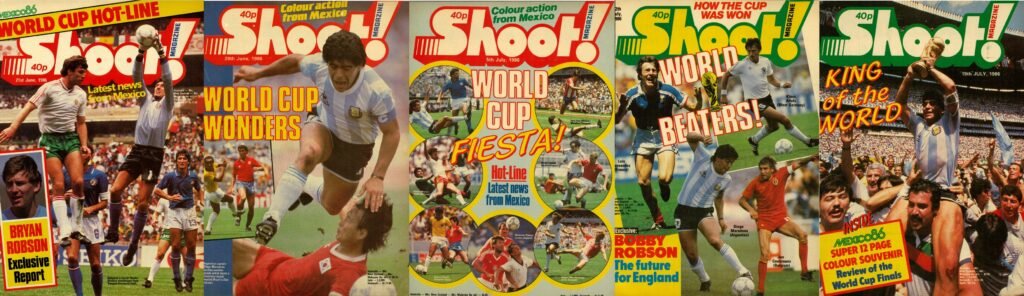
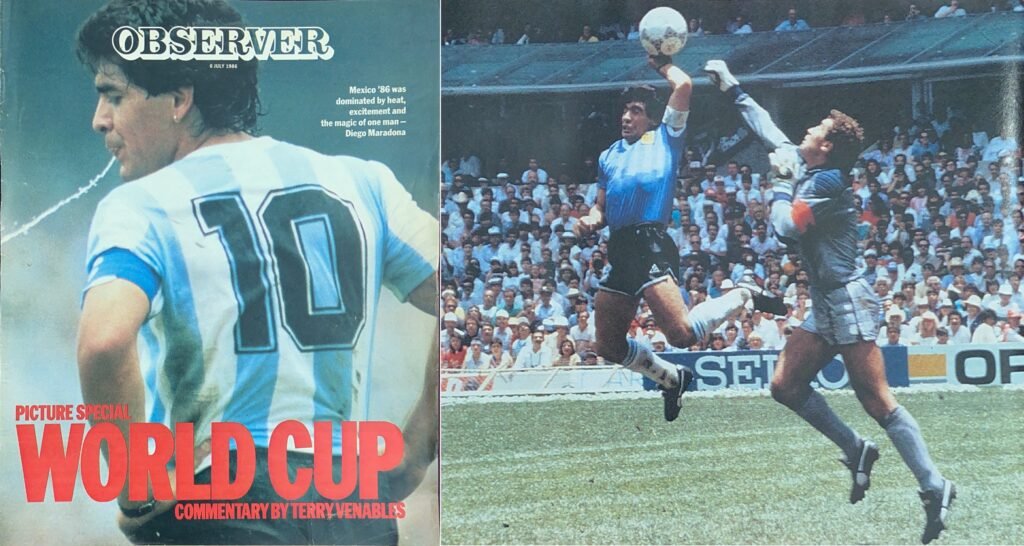
The 1986 finals left many vivid memories, but one man dominated that summer in Mexico. The tournament was illuminated by Diego Maradona’s brilliance and remains notorious for his ‘Hand of God’ goal against England.
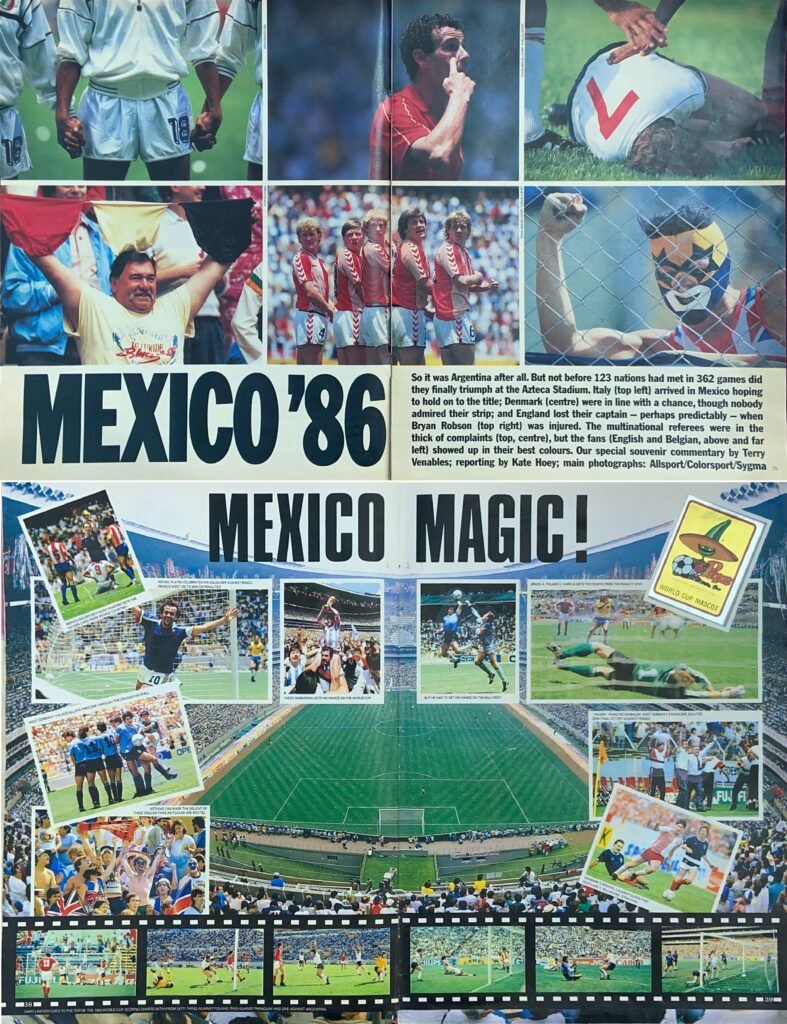
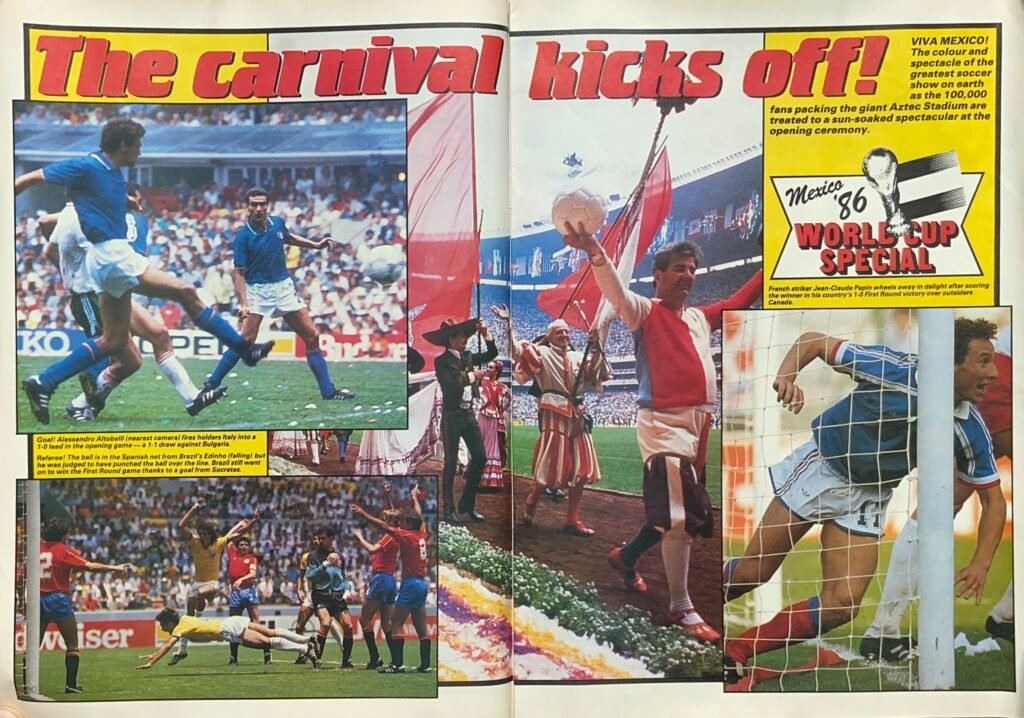
The traditional opening ceremony played heavily into national imagery – verging on stereotypes – of Mayan pyramids and dancers in indigenous costume. Whether provoked by this spectacle or the unpopularity of President Miguel de la Madrid, the below-capacity Azteca Stadium crowd responded negatively to his speech. “His words were completely drowned out by boos and whistles,” remembered an unnamed official in attendance at the ceremony.
The opening match ended 1-1, the first time since 1962 (when four games were played simultaneously) that there was more than a single goal. Scorer of their last goal in the 1982 Final, Alessandro Altobelli opened the scoring for Italy but this team were a shadow of the world champions, and unfancied Bulgaria salvaged a draw. From the start, Maradona was in impressive form despite rough treatment from the South Koreans in particular, and Argentina topped the group.
Mexico did enough to win their group without any dazzling displays, and were accompanied through by Paraguay and Belgium. Debutants Iraq competed well and reached their main aim of avoiding disgrace for themselves and Saddam Hussein’s regime. Likewise in Group C, Canada achieved respectability without scoring a goal and not taking the kind of beating Hungary received in their opening game – a 6-0 drubbing from the USSR. The Soviets’ display set down a marker they couldn’t sustain, though the highlight of their draw with France was a spectacular long-range strike with which (Vasyl) Rats beat (Joël) Bats.
Brazil started slowly, with many of 1982’s stars visibly aged and unable to recapture their peak, although Careca was one of the most impressive strikers on view. Northern Ireland were also not the team we saw in Spain, failing to win a game in what was possibly a tournament too far – it remains their last World Cup appearance to date. Four years on from making history as the youngest-ever player at a finals, Norman Whiteside was again in the Northern Ireland team at 21, but this was not a tournament for youth – no teenagers were fielded. At the other end of the spectrum, Whiteside’s team-mate Pat Jennings became the World Cup’s oldest-ever player when making his final international appearance against Brazil on his 41st birthday.
Scotland were always going to find it tough in the 1986 finals’ ‘Group of Death’, their cause not helped by some controversial squad selections and apparent friction within the camp. Uruguay’s contribution was memorable for all the wrong disciplinary reasons while group winners Denmark finished ahead of West Germany with Preben Elkjær and Michael Laudrup leading the line impressively, notably in their stunning 6-1 win over the rugged Uruguayans. The South Americans then frustrated Scotland in a goalless draw despite José Batista picking up the fastest sending-off in World Cup history after 56 seconds for a vicious lunge on Gordon Strachan.
England’s challenge got off to a disastrous start, beaten by a late Portugal goal before losing captain Bryan Robson (recurrence of his shoulder injury) and Ray Wilkins (sending-off – England’s first dismissal in a World Cup finals) in a dire goalless draw with Morocco. After the opening four matches of the group produced a dismal two goals, Gary Lineker’s hat-trick against Poland, after a successful domestic season with Everton, rescued their campaign. Morocco topped the group to become the first African nation to progress beyond the group stage, while Portugal’s ‘Saltillo Affair’ ruined their tournament after the win over England, and the Poles produced another shadow of 1982’s heroics.
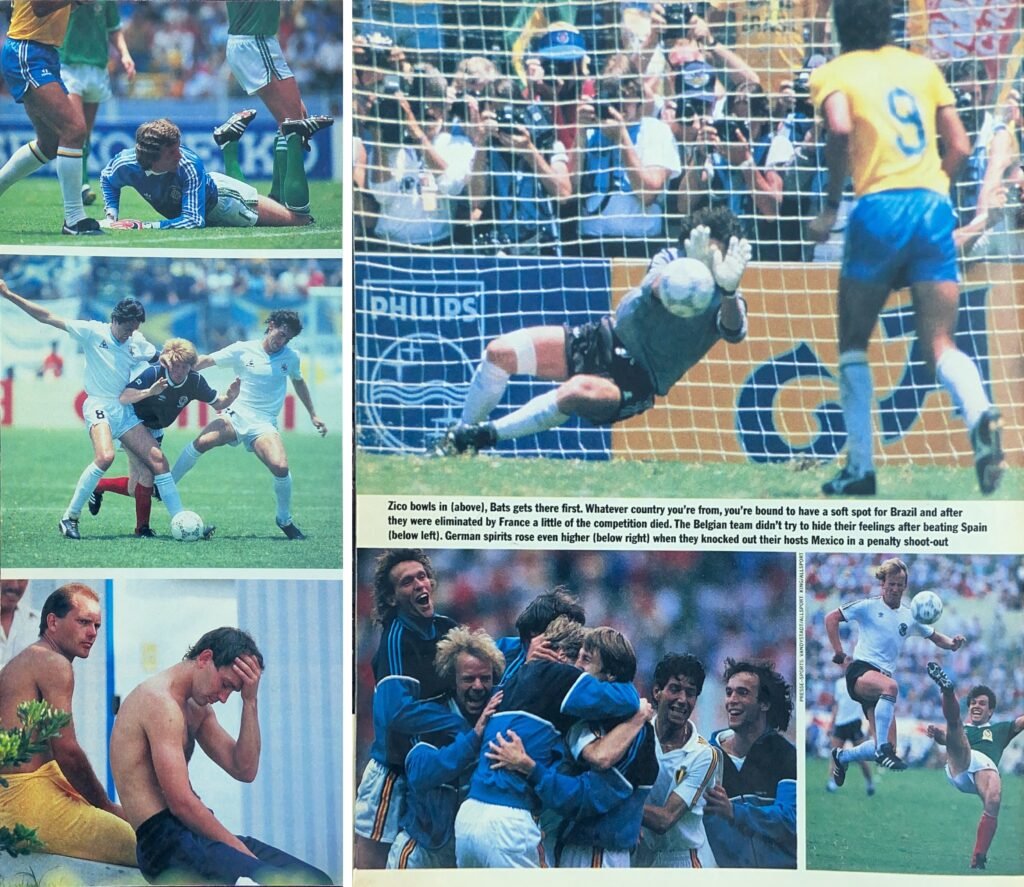
There were several memorable matches as the knockout stages returned – notably the Round of 16’s seven-goal thriller between Belgium and the USSR, in which Igor Belanov scored a hat-trick for the losing side. Spain’s meeting with Denmark was the biggest surprise so far, as the previously impressive Danes imploded and Spain took full advantage to win 5-1 with Emilio Butragueño becoming the first player to score four in a finals match since Eusébio in 1966. The tournament’s peak was arguably the Brazil-France quarter-final, a fantastic game and a shame the great Zico had his penalty saved in normal time before the deciding shoot-out. France had nothing left for their semi-final and were again beaten at that stage by West Germany, which proved to be Michel Platini’s last World Cup appearance.
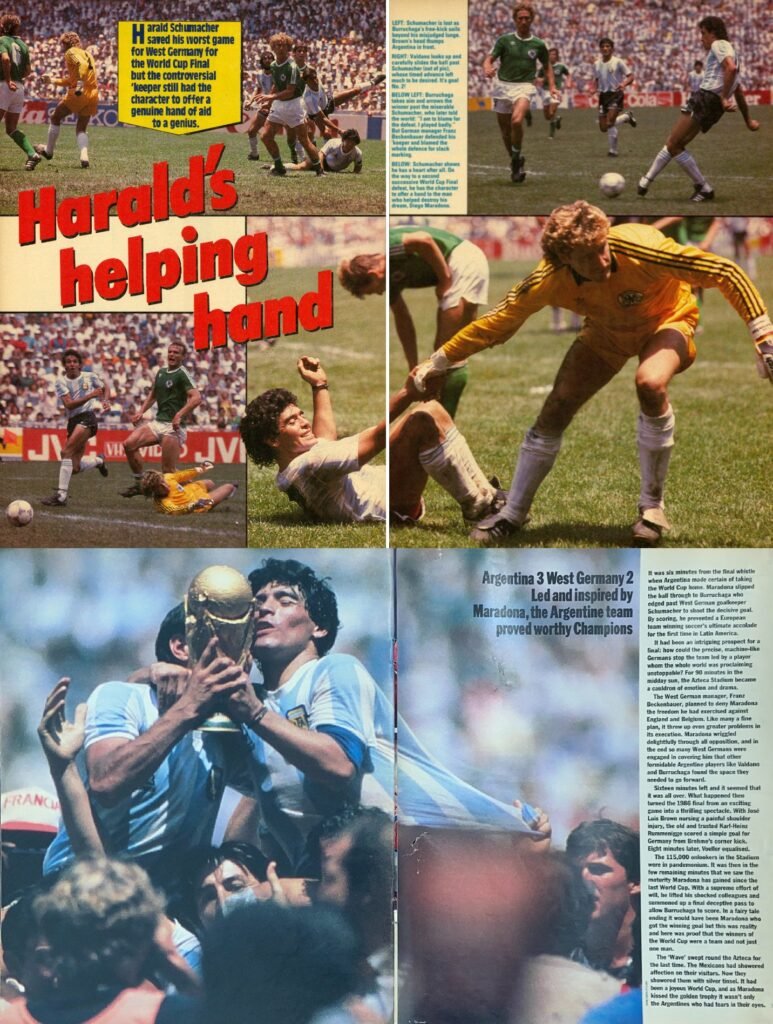
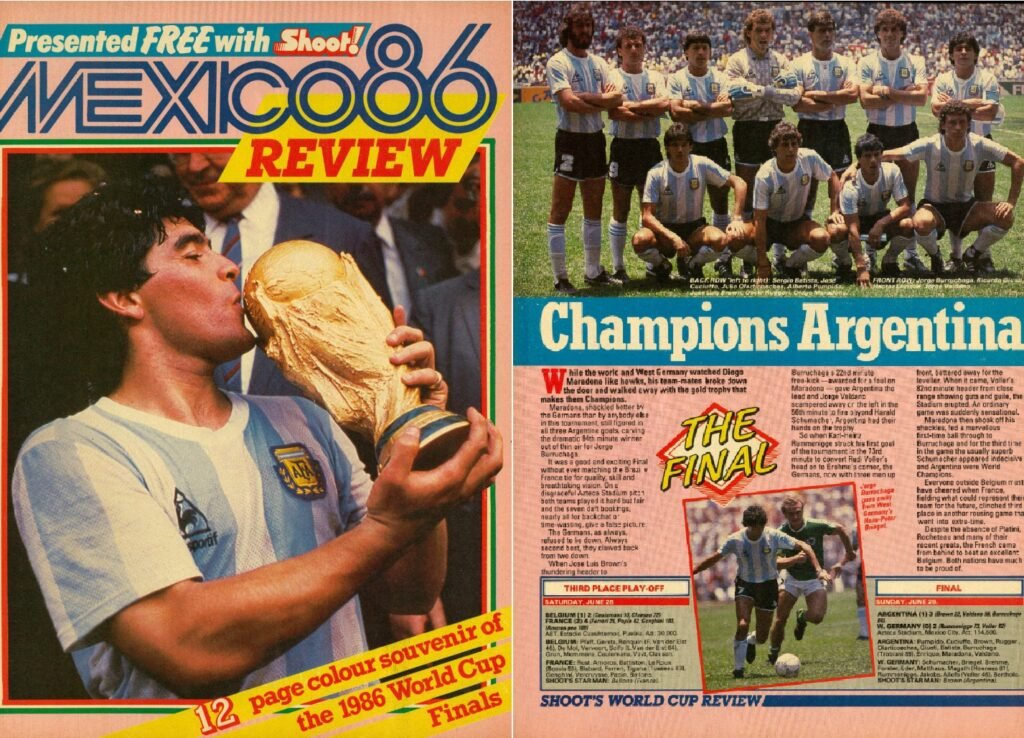
Maradona was at his peak against England and then Belgium in the semis – though closely marked in the final (which kicked off at noon local time in Mexico City), he was still involved in each Argentina goal. Despite the 3-2 scoreline and eventual excitement of West Germany’s comeback from two goals down, for the most part it was a disappointing game played on a poor surface. The seven bookings suggest a dirty game, but they were mostly the result of pedantic refereeing – four years later was far worse than this. The winners received 25 gold medals estimated to be worth £543 each; 22 for the playing squad and three for the coach and staff.
After 1982’s dramatic West Germany v France semi-final made history with the first penalty shoot-out in World Cup history, three more followed in Mexico (all at the quarter-final stage). Many attacking players besides Maradona enhanced their reputations – notably Careca, Lineker, Butragueño, Elkjær and Laudrup – while the 1986 finals effectively won the Ballon d’Or for Belanov.
Apart from the ‘Hand of God’, controversial refereeing decisions affected Spain – when Michel’s shot in their opening game against Brazil hit the bar and bounced down over the line, but was not given – and Iraq, who scored on 45 minutes against Paraguay only to discover the Mauritian referee had blown the half-time whistle. The USSR were also aggrieved by at least two Belgian goals that appeared to be offside.
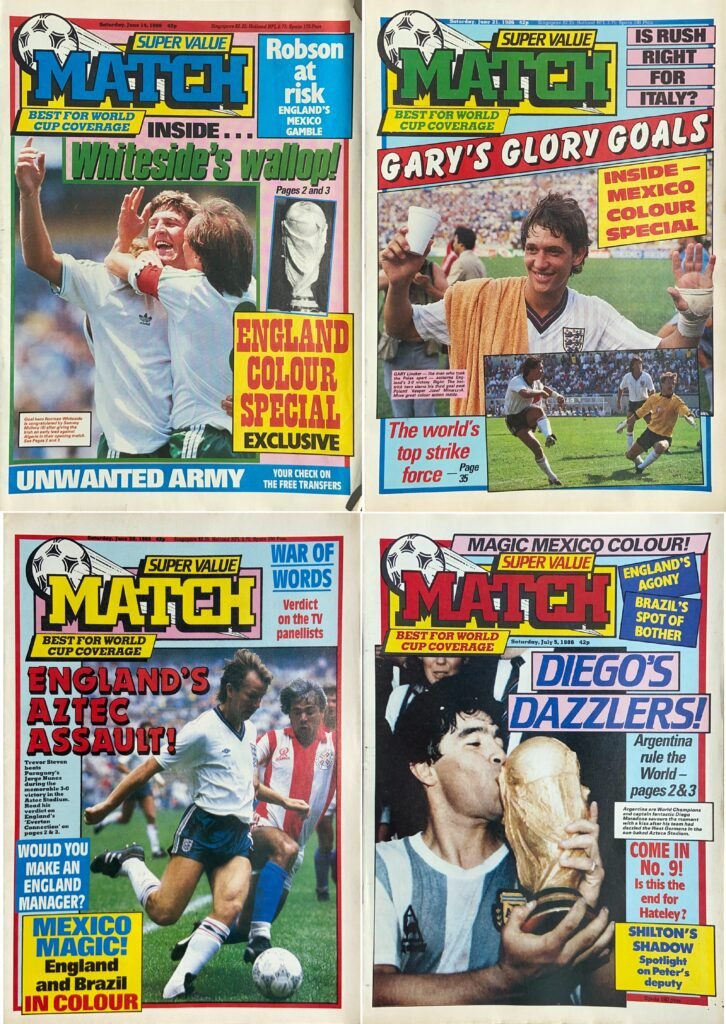
Despite the attacking talent on display and eye-catching games, overall the 1986 finals registered 2.54 goals per game – a new low at the time (soon to fall further at Italia ’90). Six of those goals came from Lineker – helping to earn him a move to Barcelona – the winner of the Golden Boot ahead of Butragueño, Careca and Maradona on five. The Golden Ball award for Player of the Tournament was a foregone conclusion for Maradona, while Belgium’s 20-year-old Enzo Scifo took the Young Player title. There were eight sendings-off, another record which was to be surpassed four years later.
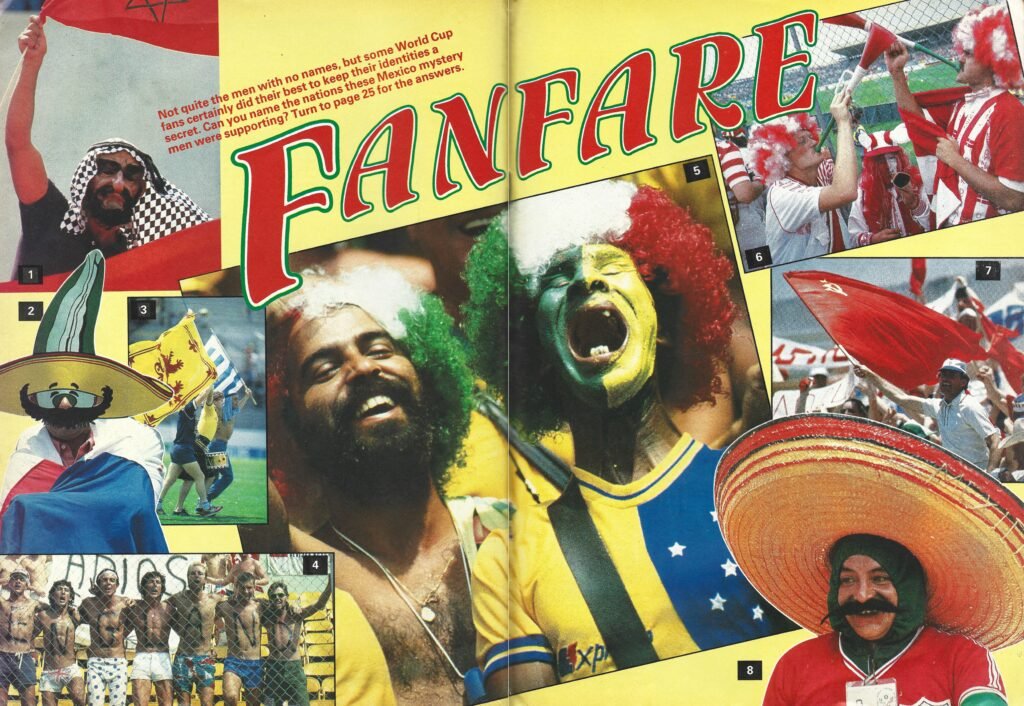
Attendances averaged at just above 46,000, boosted by seven crowds of over 100,000 at the Azteca (all four games that Mexico played there, plus Argentina’s quarter-, semi- and final). The stadium capacity of 114,600 which saw Argentina beat West Germany to lift the trophy remains the highest attendance of any World Cup Final – as Uruguay’s win over Brazil in front of 173,850 (officially) at the Maracanã to triumph in 1950 was actually a group fixture. The lowest at the 1986 finals was 13,800 for Hungary against Canada at Irapuato’s Sergio Leon Chavez stadium, a venue that failed to attract more than 16,500 for any of its three group games which also included the USSR. Crowds across the tournament popularised the co-ordinated ‘wave’ of standing spectators to the extent that it became known globally as ‘the Mexican Wave’.
The composition of the squads reflected a very different era in world football, with five nations naming a 22 who were 100% home-based: Italy, Iraq, USSR, Spain, and Portugal; and two more with 21 of the 22: South Korea and Mexico. 20 home-based players were selected for England (AC Milan’s Wilkins and Mark Hateley the exceptions), France (Jean-Pierre Papin and Platini), Belgium, Bulgaria, Brazil, Northern Ireland (who only used players from the English Football League), and West Germany.
Another sign of the times was the small number of non-British players at the 1986 finals plying their trade in the Football League – only Algeria’s Notts County forward Rachid Harkouk plus the Danish trio of Jan Mølby, Jesper Olsen and John Sivebæk. Another Dane, Allan Simonsen had earlier had a brief spell at Charlton, while compatriots and 1986 squad members Jan Bartram and Kent Nielsen also went on to play in the UK. Belgium’s Nico Claesen joined Spurs in 1986/87, followed by Polish pair Dariusz Dziekanowski and Dariusz Kubicki in the late 1980s / early 90s, initially at Celtic and Aston Villa respectively. Much later in their careers Gianluca Vialli, Eike Immel and Paulo Futre arrived in the Premier League.
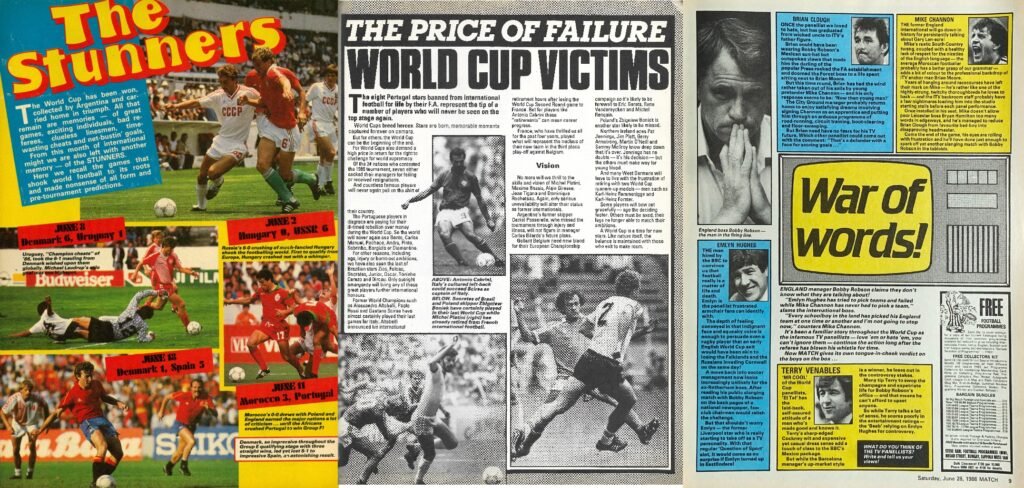
Before ultra high-definition, worldwide satellite images shimmering in the Mexican heat were the height of broadcast technology. These were not yet the days of blanket World Cup coverage for a UK audience – some group games were ignored altogether. With the early (7 pm) kick-offs in Mexico competing against prime-time TV favourites such as Coronation Street and Wogan, viewers were often restricted to second-half coverage only, with a highlights package to follow later.
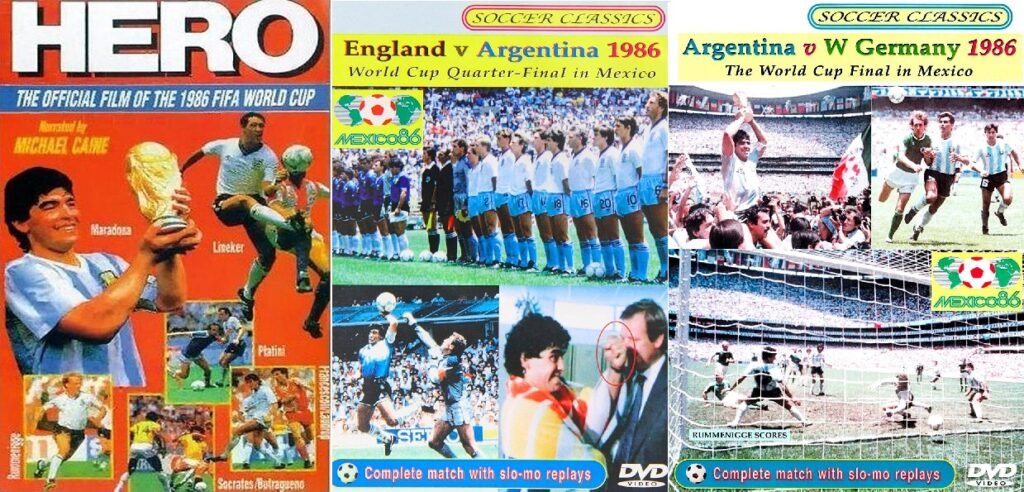
Des Lynam hosted on the BBC, with ever-reliable Jimmy Hill joined by Emlyn Hughes, Lawrie McMenemy and Terry Venables among the pundits. For the final, John Motson pipped Barry Davies as commentator. Brian Moore was ITV’s presenter and later flew out to commentate on the final, though Martin Tyler (often alongside David Pleat) had covered earlier rounds. In the studio, Moore’s panel included old favourite Brian Clough, Kevin Keegan and Ian St. John, while Mike Channon is still remembered for his attempts to pronounce ‘Lineker’. The official film of the finals was Hero, narrated by Michael Caine and with a soundtrack by Rick Wakeman – which became a best-selling VHS.
The finals have left a mixed legacy, with some regarding it in the light of the game’s creeping commercialism and an increasingly cynical style of play (with Uruguay the prime example). The format allowed nations to progress to the knockout round without winning a match – Bulgaria and Uruguay, again – while penalty shoot-outs, still relatively new at this level, were regarded as an unsatisfactory way of settling drawn games. Today images of Maradona at his peak and some of the handful of memorable matches played in glorious sunshine prevail, in what now looks like something of an age of innocence for international football.
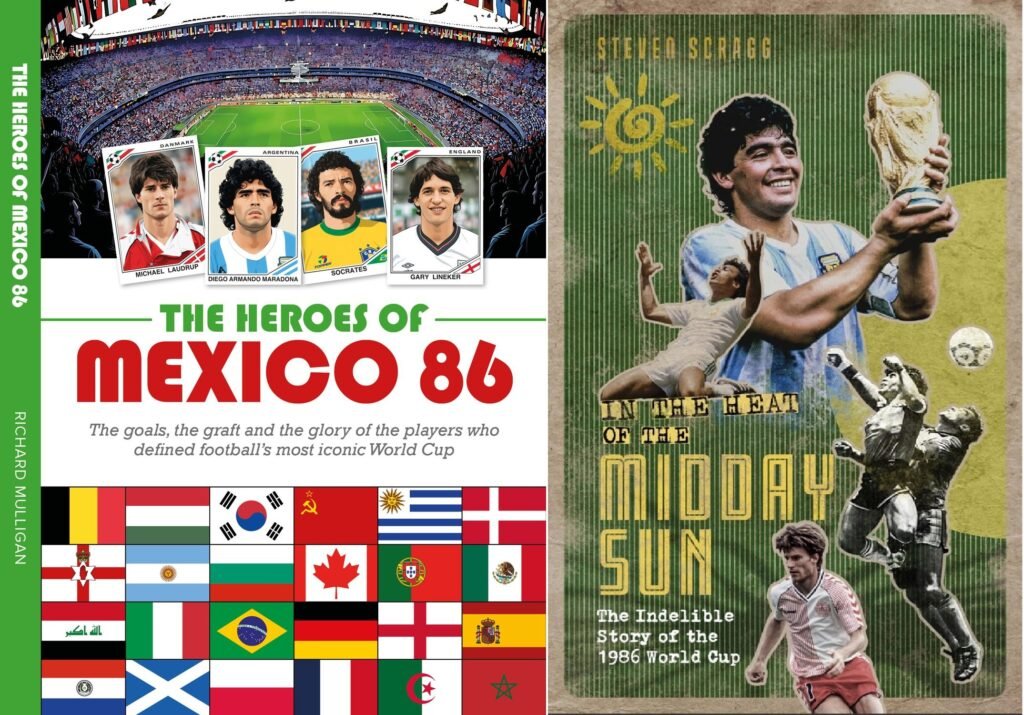
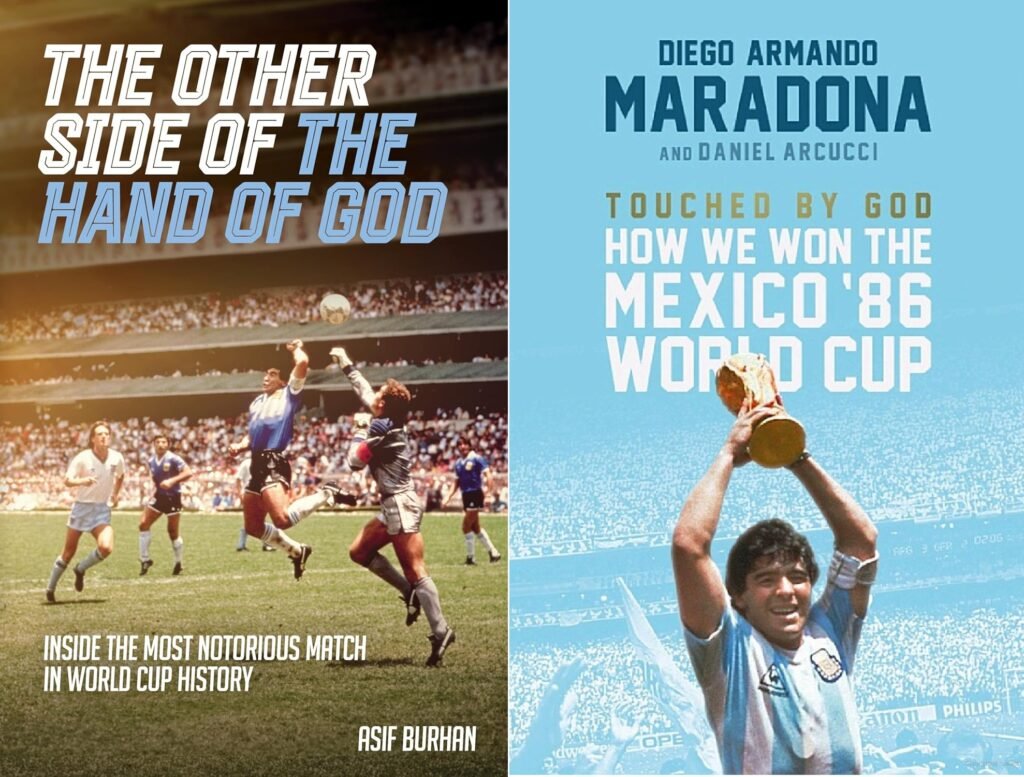
Mexico ’86 has also inspired several books, including The Heroes of Mexico 86 by Richard Mulligan, Steven Scragg’s In The Heat of the Midday Sun, and Asif Burhan’s The Other Side of the Hand of God. There is also Maradona’s own account with Daniel Arcucci, the modestly-titled Touched by God: How We Won the Mexico ’86 World Cup. Memories of the 1986 finals are gathered on Shahan Petrossian’s Soccer Nostalgia Talk podcast – Part One & Part Two.